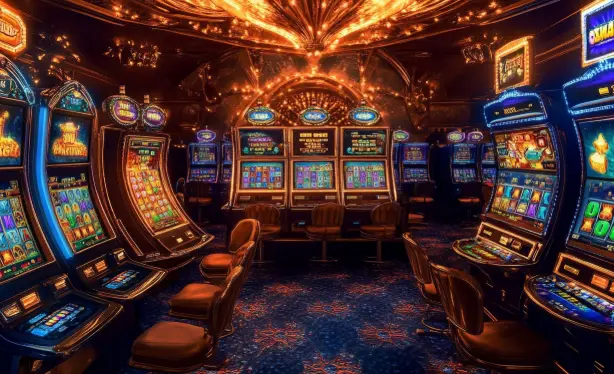
Slot Game vs Slot Machine: The Core Hardware Distinction
A slot game is a digital software simulation of spinning reels, while a slot machine is a physically regulated electromechanical device sitting on a US casino floor with certified hardware and a sealed random number generator. That is the brutal truth most casual players never grasp. One is code you can run on a phone in your pajamas. The other is a heavy steel box under state gaming commission oversight, and confusing the two is exactly how people get fleeced by shady offshore operators. 🤬
The moment you understand that a slot machine in a US casino is a Class III gaming device with locked firmware, a physical RNG chip, and a mandatory audit trail, you stop treating its online cousin like the same animal. They are not. Not even close.
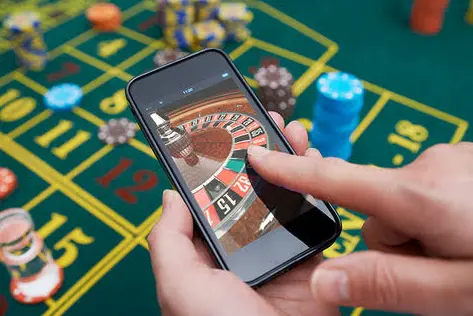
The Regulatory Chasm That Nobody Talks About
Here is where the difference stops being academic and starts being a legal and financial minefield. A US-licensed slot machine must pass independent lab testing, have its paytable and RTP etched into the approval documents, and be physically sealed so nobody can swap the EPROM without triggering an investigation. The slot game you play on some offshore site? Its RTP can be tweaked server-side overnight, and no one audits it. That is the gap. It is enormous. And it is exactly why the distinction matters more than any paytable or volatility metric. 🎰
A real machine carries a fixed return percentage baked in at certification — think 89% to 96% depending on jurisdiction and machine class. A digital slot game can legally advertise 97% but silently throttle its effective RTP based on player segment, deposit history, or whatever the operator's back office decides. The psychological model is identical. The accountability model is not.
RNG Architecture: Sealed Silicon Versus Server-Side Code
The random number generator inside a US slot machine runs continuously, cycling thousands of numbers per second, and the outcome is locked the instant you hit the spin button. That RNG is hardware-isolated, tested, and documented. A digital slot game's RNG is a software function living on a remote server, and the player has absolutely zero way to verify it is not being manipulated. Zero. The trust requirement flips from "certified hardware" to "please believe our terms of service." That is not a technical difference. That is a philosophical one, and it costs players real money. 💸

Why the Confusion Gets Players Burned
Operators lean on the word "slot" to blur the line. They want you to transfer the credibility of a regulated casino floor machine onto a digital product that operates under a Curacao or Anjouan license with none of the physical seals, none of the on-site inspectors, and none of the mandatory machine-level audit logs. A true US casino slot machine cannot be remotely reconfigured mid-session without breaking the law. A slot game can be re-tuned between spins and nobody outside the operator's engineering team would ever know.
The practical takeaway is blunt: treat a digital slot game as entertainment software with unknown integrity, and treat a physical slot machine as a regulated device with a known, certified RTP. They share a visual language and a psychology. They do not share a guarantee. And the moment an operator tries to convince you otherwise, that is your signal to walk.